Roots Reset®
Japanese knotweed elimination
Roots Reset is a proven effective method for the complete and natural control of invasives such as Japanese knotweed. The added value of Roots Reset is twofold. By enriching the soil with our plant-based product CleaRoot and then covering it oxygen-tight, the roots of the harmful invasives break down. At the same time, the biodiversity of the soil recovers. Once the Roots Reset is complete, you can immediately apply new plantings.
Roots Reset is patented and we deploy it in close cooperation with green contractors for landowners such as municipalities, provinces, railway managers, ports, water boards, property developers and soil depots. In recent years, we have succeeded with Roots Reset in completely controlling invasives at more than 400 sites in north-western Europe.
Roots Reset® a proven method: 400+ locations completely free of Japanese knotweed in one treatment!
Benefits
- Proven complete control of Japanese knotweed in one treatment
- Environmentally friendly, no chemicals and no intensive use of energy
- Recovery of soil health and biodiversity above and below ground
- Easy to apply, no excavation and removal of large amounts of soil required
- Quick lead time to healthy soil without invasives
- Low costs compared to other methods
- Specific approach possible for almost every situation, both in-situ and in-depot
This is also the first method by which Japanese knotweed can be completely eliminated within one growing season, without having to remove soil. Read More
Johannes Regelink
How does it work?
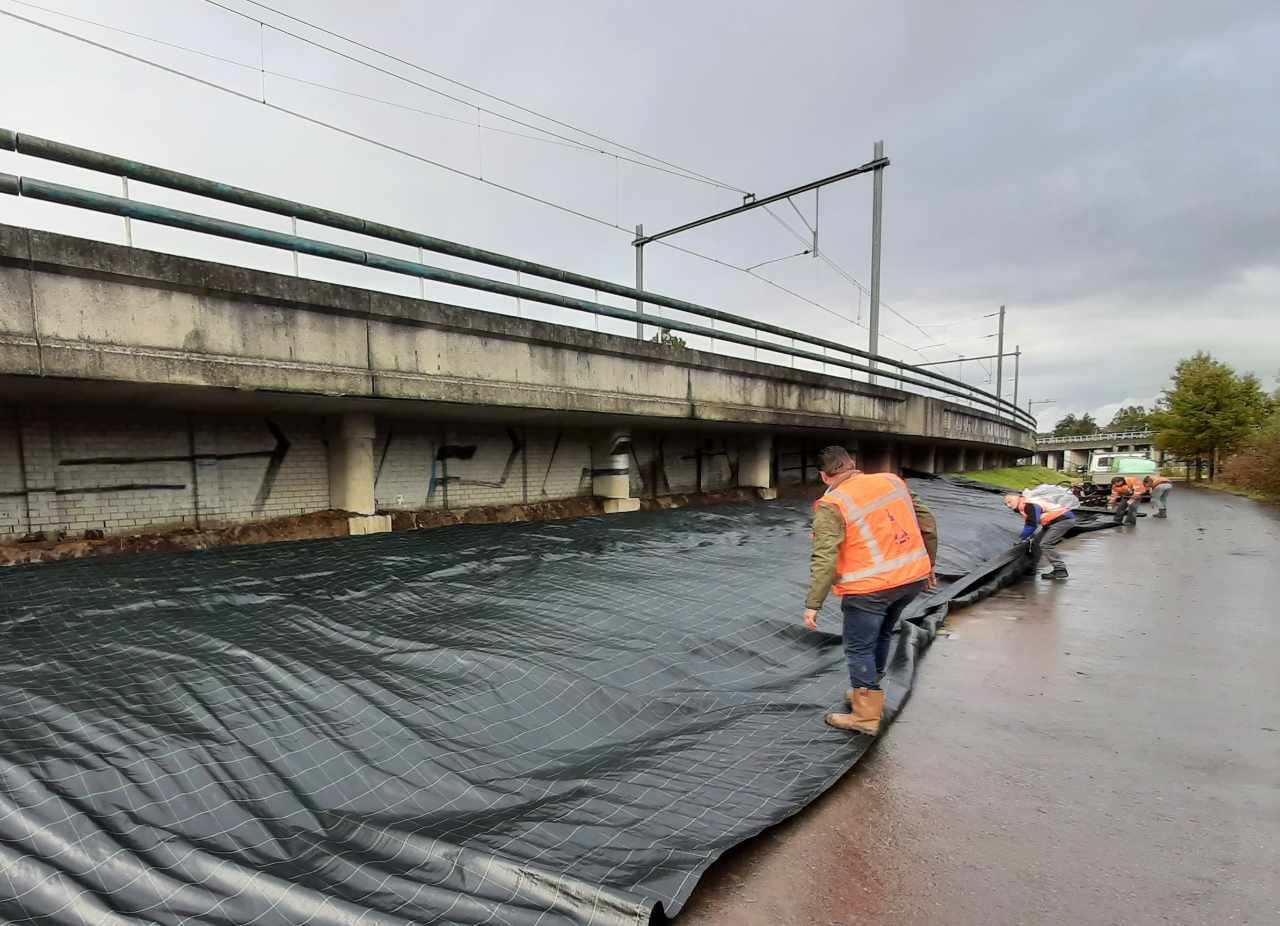
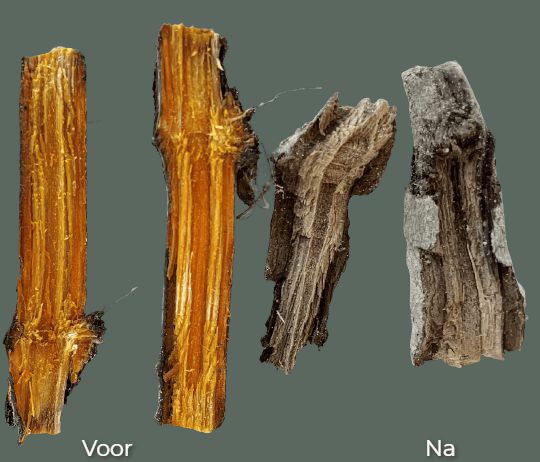
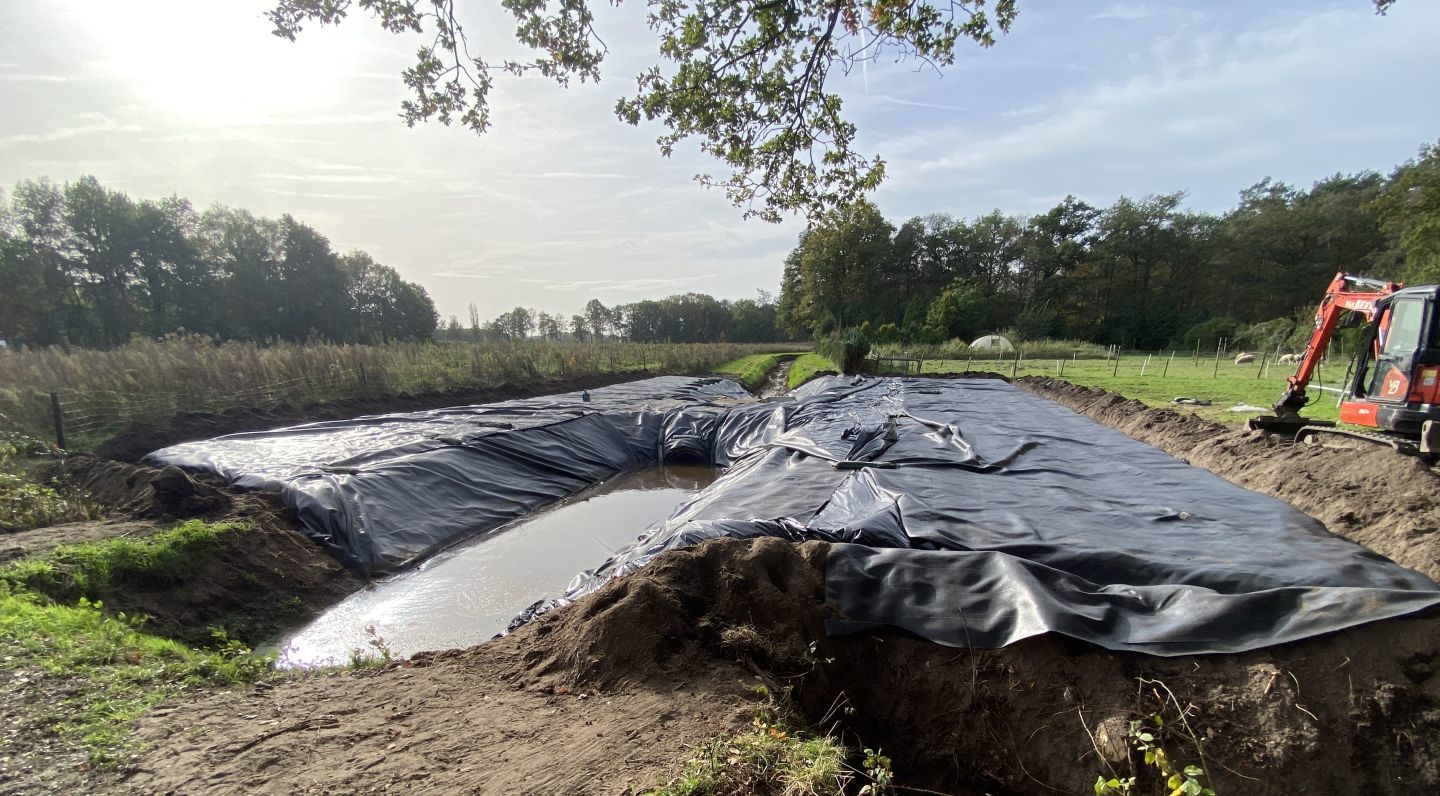
Through Roots Reset, the soil is first enriched with our CleaRoot granulate, followed by covering the soil oxygen-tight. CleaRoot feeds specific microbes already present in the soil. As a result, these microbes grow rapidly and consume all the available oxygen in the soil. Within two days, the oxygen level has dropped to less than one percent. In the absence of oxygen, further fermentation takes place. This process is harmful to the roots of invasives; the roots die.
Roots Reset increases the biodiversity of beneficial microbes in the soil. This makes the soil vital again and resilient for healthy growth of new plantings without the presence of invasives.
Ook benieuwd naar de mogelijkheden van Roots Reset® op uw locaties met Japanse duizendknoop? Contact dan één van onze experts!
How does it work?
Through Roots Reset, the soil is first enriched with our CleaRoot granulate, followed by covering the soil oxygen-tight. CleaRoot feeds specific microbes already present in the soil. As a result, these microbes grow rapidly and consume all the available oxygen in the soil. Within two days, the oxygen level has dropped to less than one percent. In the absence of oxygen, further fermentation takes place. This process is harmful to the roots of invasives; the roots die.
Complete control of Japanese knotweed and other invasives
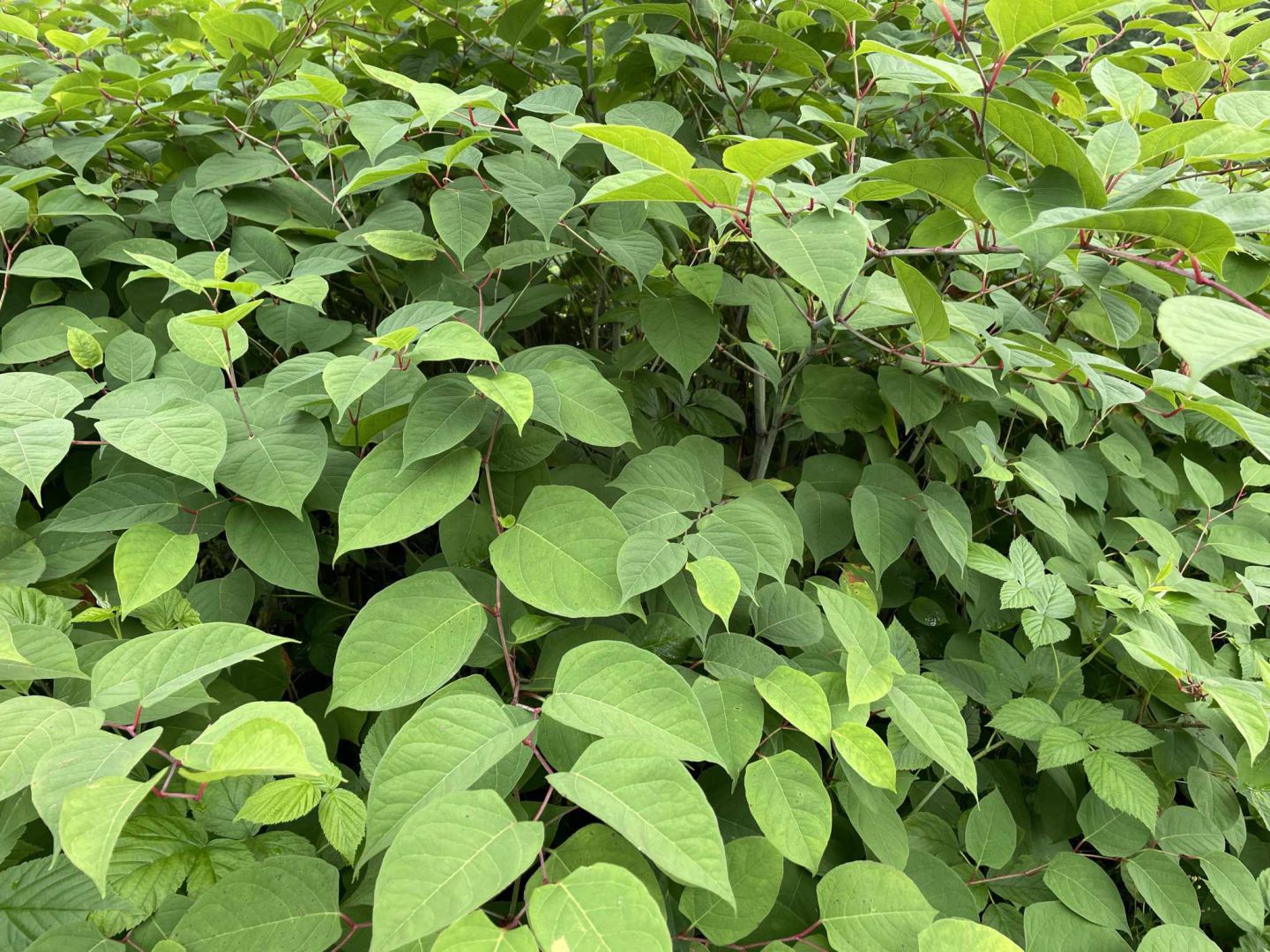
Roots Reset eliminates invasives such as Asian knotweed (with Japanese knotweed being the most common species in this family).
Japanese knotweed (Fallopia japonica) was brought to Europe from Asia almost 200 years ago and is one of the most invasive exotic species. Sakhalin and Bohemian knotweed are also common. Once this plant establishes itself somewhere, you won’t get rid of it easily. Due to its strong growing power, Japanese knotweed displaces native plant species and is thus disastrous for biodiversity. Its invasive root system can even damage buildings, pipes, and roads. Japanese knotweed is therefore a serious problem and experts see few practical methods of control.
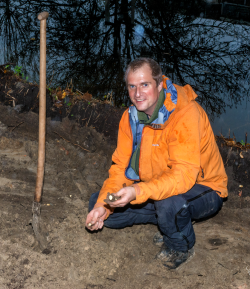
In 2020, the municipality of The Hague applied a Roots Reset treatment against Japanese knotweed near highway A13 . To date, we have not observed Japanese knotweed regrowth in the treated section. We have also treated three other infested sites in 2021. The sustainable and natural process of Roots Reset matches well with the sustainability ambitions of the municipality of The Hague. Read More
Pim Smit
Practical Application
Roots Reset can be applied on site where Japanese knotweed or other invasives are growing, but is also suitable for stored soil in depot that is infested with invasives.
We have a tailored approach for each situation, but in general our Roots Reset method follows the following steps:
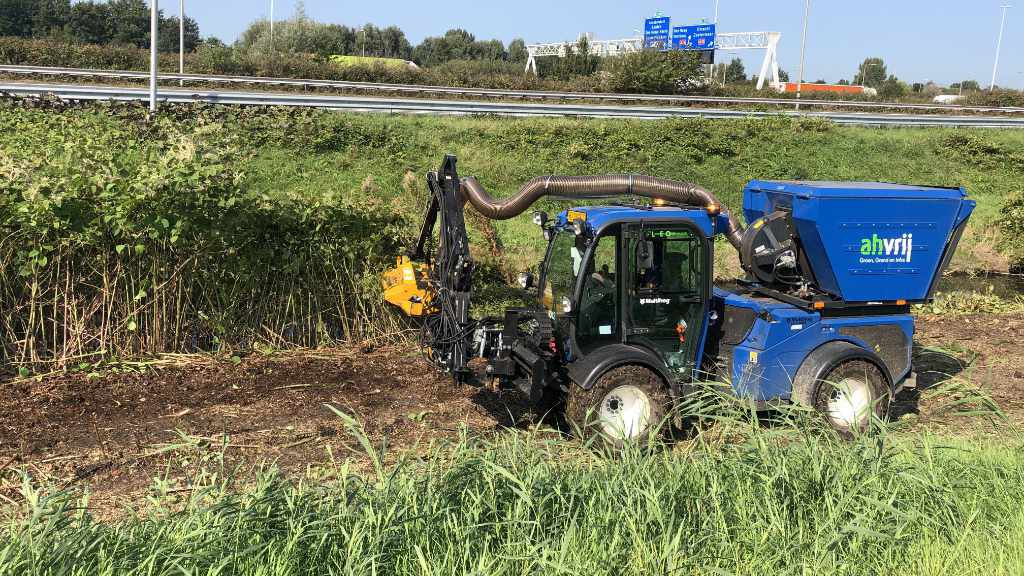
- 1. Removal of above-ground plant parts by mowing-suction combination
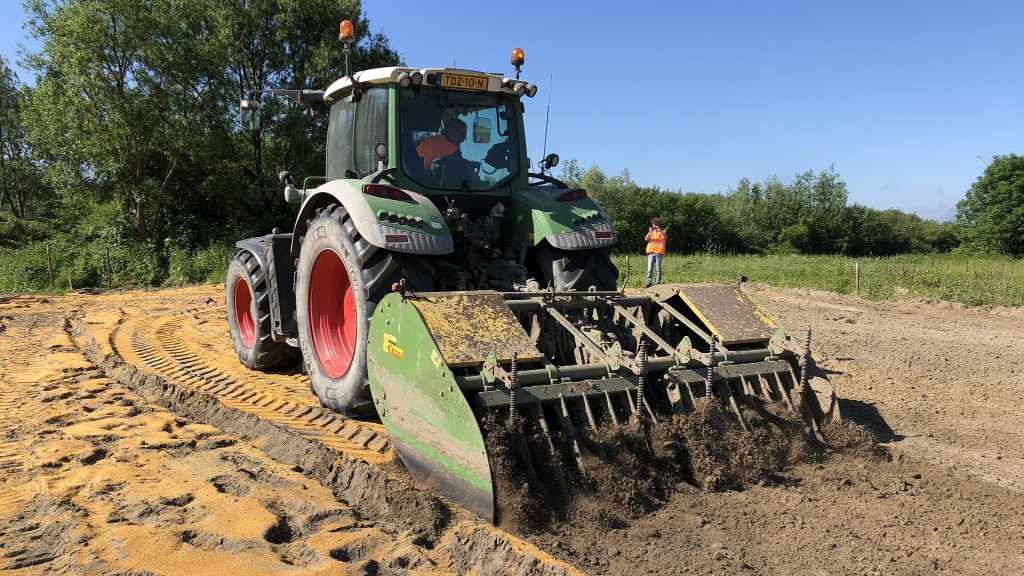
- 2. Milling the soil to shred the top layer of roots
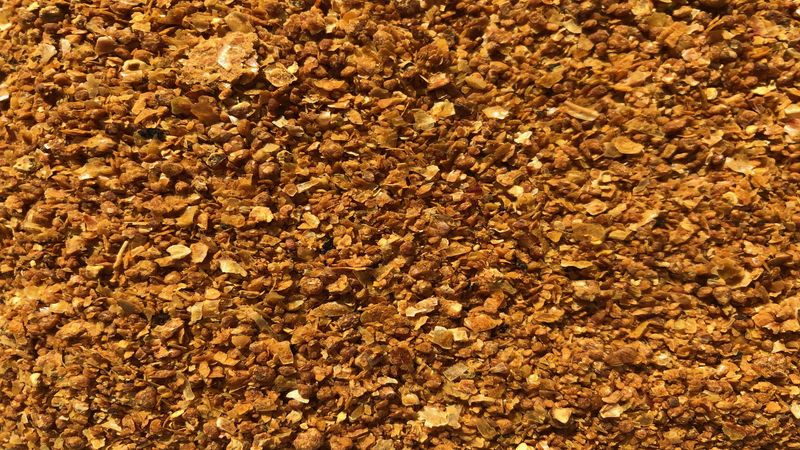
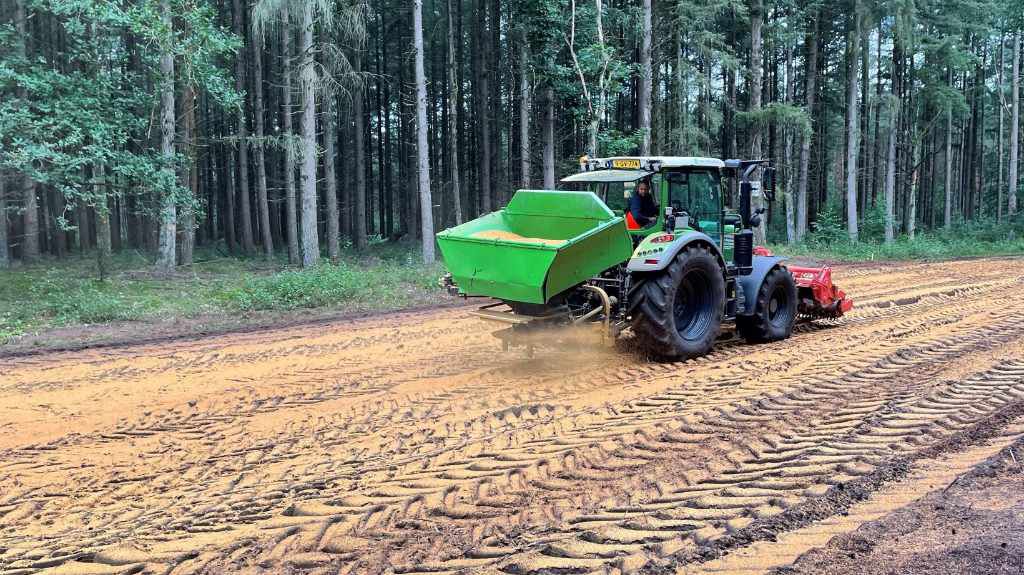
- 3. Spreading the CleaRoot granulate on the ground
- 4. Mixing the CleaRoot-granulate into the ground by deep spading
- 5. Covering the soil with an oxygen-tight barrier
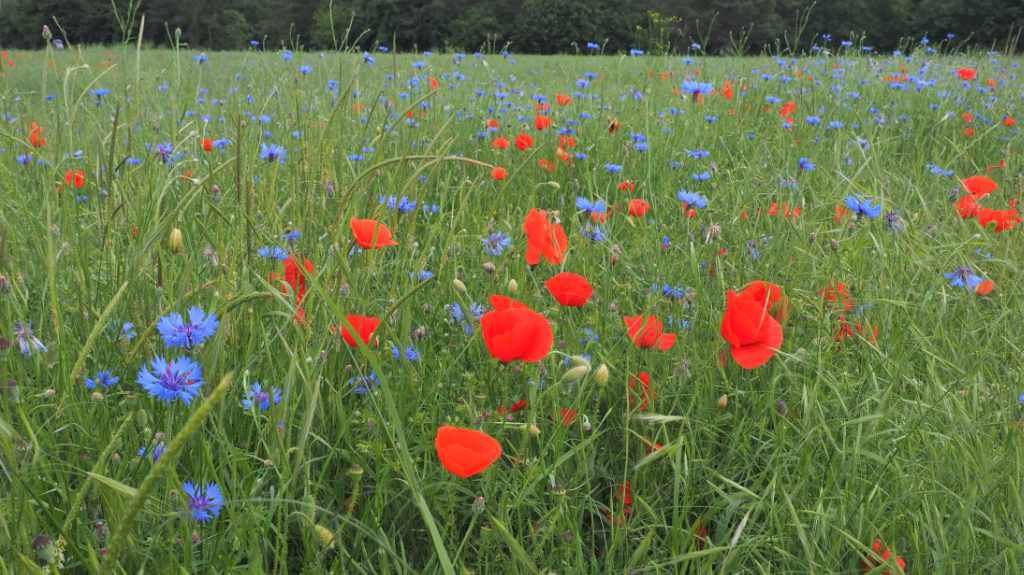
- 6. Planting new greenery after removing the oxygen barrier when the Roots Reset process is finished
Removal
Milling

Spreading
Mixing
Covering
Planting new greenery
Roots Reset is suitable for all kinds of locations, such as slopes, water edges and along roads and places where there are many cables and pipes in the ground. Trees are not an obstacle either, though a limited distance must be observed.
Especially in the first phases of the Roots Reset process, a somewhat higher temperature of the soil is needed. The start is therefore usually between late April and mid-October. The process takes six to ten months, at least six of which are during the warmer period of the year. A major advantage of Roots Reset is the need to be on site a maximum of twice: when the system is installed and when it is removed. This saves time and costs for the customer and also minimises the impact on the environment.
We apply the Roots Reset method in close cooperation with green space contractors.
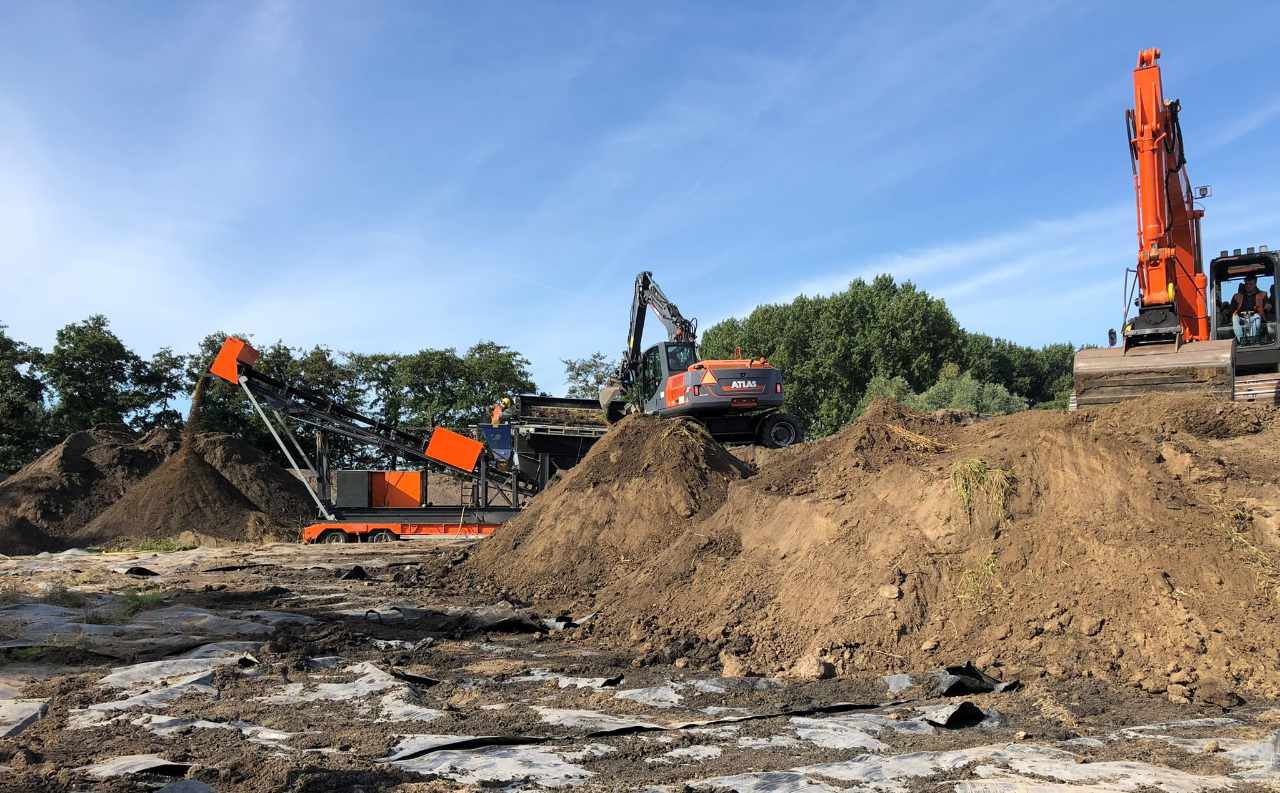
Roots Reset for soil in depot
Roots Reset also works very well against invasive-infested soil in depot. First, the CleaRoot granulate is mixed into the soil with special machinery. Then the soil is covered with an oxygen-tight layer and the whole thing is left in place for up to six months. After this period, the oxygen-tight cover can be removed and the soil will be free of invasives.
Technical Support
Our hands-on team of specialists begins with an intake and provides advice on how best to apply Roots Reset in your specific situation. We work closely with green space contractors and provide guidance and instruction beforehand and on-site assistance during implementation.
In addition, we measure various indicators during the Roots Reset process, so that we have a good picture of the progress. In this way we can also advise you on the moment of completion of the treatment. In other words, we are on top of the process from A to Z for the best possible result.